




Magen David Adom Heroes
of October 7
Commemoration, Remembrance, Revival

Our Story - October 7, 2023
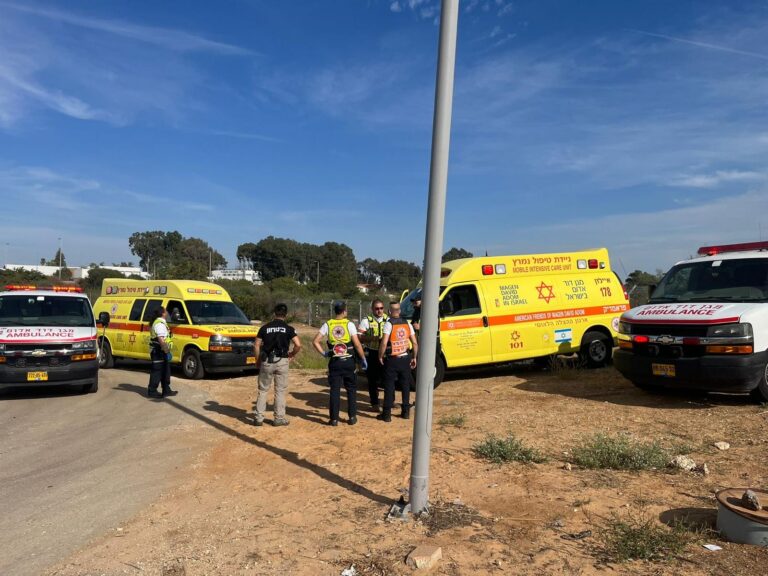
On the morning of October 7, with the onset of the terrorist attack and rocket fire, Magen David Adom transitioned from routine to a state of war within a short time. Under the guidance of the organization’s management, even before 7:00 AM, night shift teams remained on duty. With the arrival of the morning shift teams, the force was doubled, all available ambulances were manned, forces were dispatched to scenes, and ambulances—including bulletproof ambulances—began moving south from all over the country to the locations where they were needed.
The men and women of Magen David Adom operated under fire and within a reality that changed from moment to moment. Staff members living in the Gaza Envelope and southern communities left their protected spaces to treat the injured, and hundreds of casualties were treated and evacuated by Magen David Adom teams throughout the day. Ambulances and Mobile Intensive Care Units moved between scenes, treatment sites were established at stations, junctions, and homes, and the 101 emergency hotline continued to receive thousands of calls, providing life-saving instructions and dispatching forces. Simultaneously, the blood services, logistics, and other divisions operated to allow Magen David Adom to continue providing a medical response.
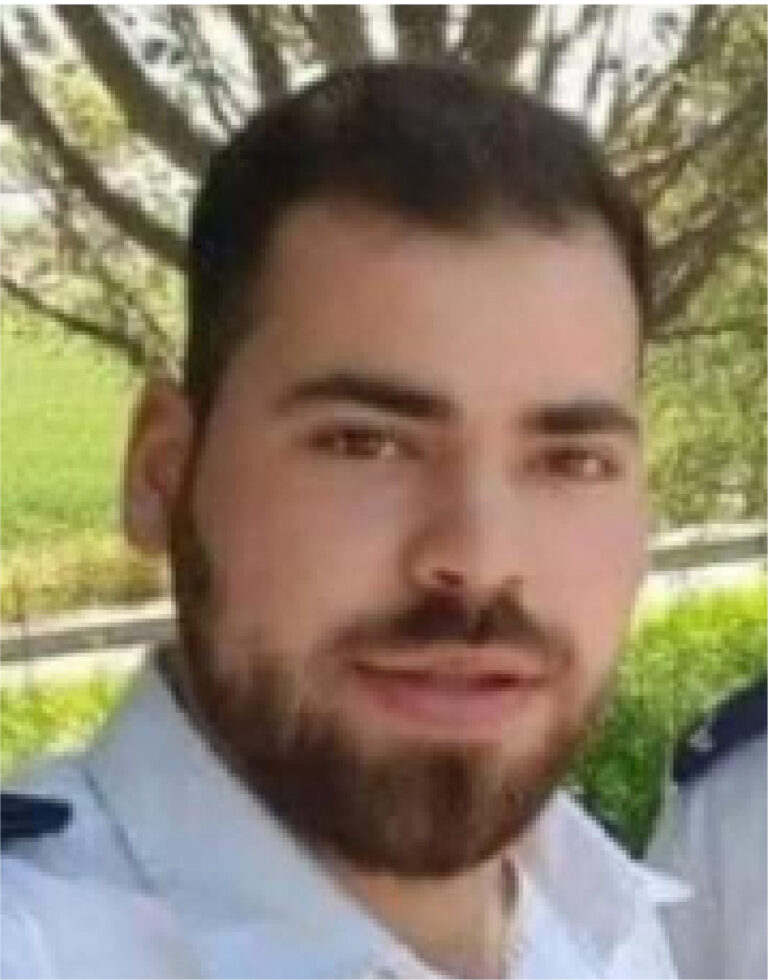
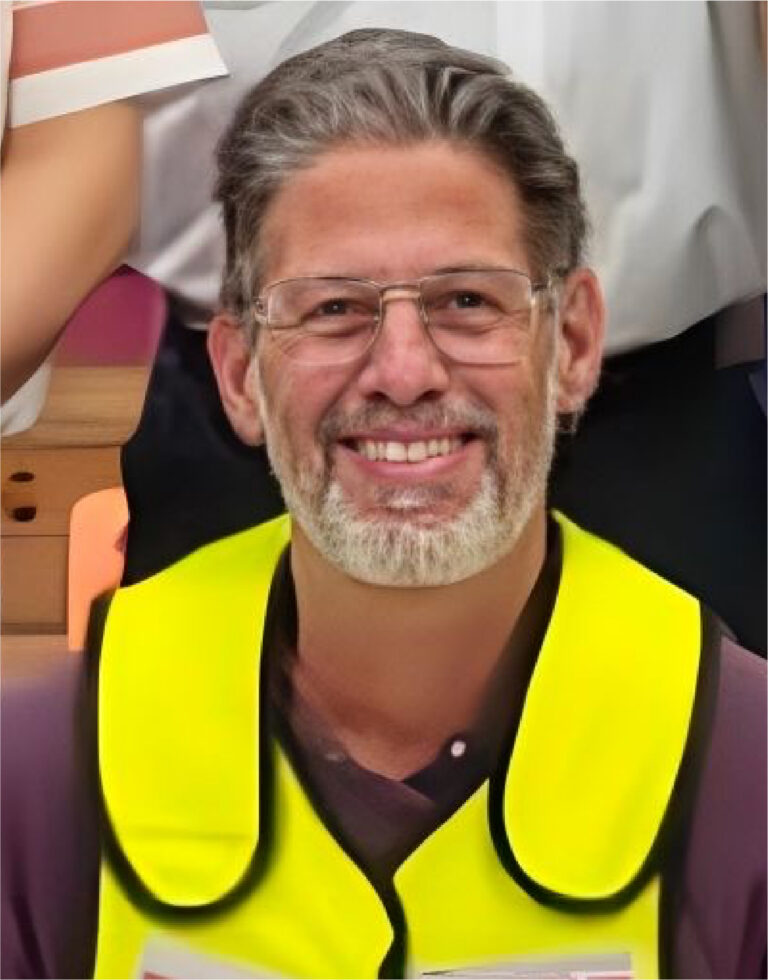
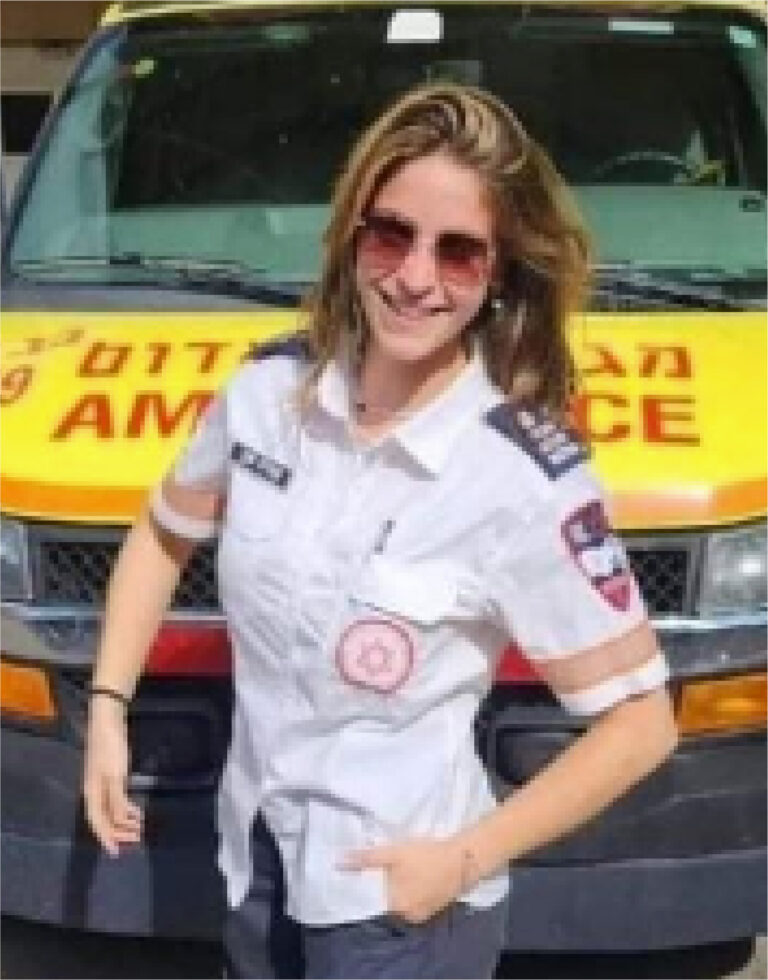
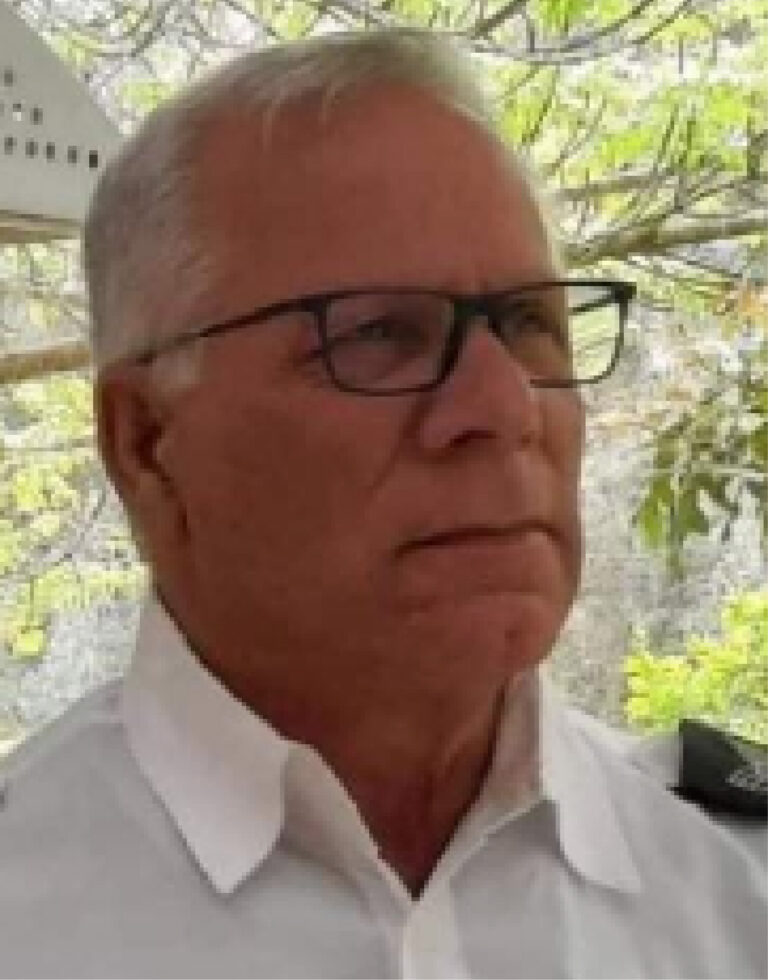
Behind Magen David Adom’s extensive activity that day stand hundreds of personal stories of dedication, resourcefulness, and courage. The men and women of Magen David Adom went out to the scenes and treated the wounded under fire and sirens, sometimes while they themselves and their families were in danger. On that day, the Magen David Adom family lost twenty of its daughters and sons. Seven of them were murdered while engaged in saving lives or on their way to treat the wounded as part of their Magen David Adom activity, and thirteen others fell during their military service. Additional Magen David Adom personnel were injured, and some lost family members and friends.
The actions of the men and women of Magen David Adom also received state recognition. In the State Comptroller’s report on the evacuation of the wounded on October 7, the “extraordinary mobilization” of healthcare system personnel was praised, including Magen David Adom teams and first responders, who stepped up to treat the wounded “often at the risk of their lives.” The Comptroller concluded: “Many of the wounded owe their lives to them.”
Here you can get to know a handful of the hundreds of stories of Magen David Adom volunteers and employees who acted on that day. The stories presented here do not tell the whole tale, but together they offer a glimpse into the people who operated in the field and the organization that managed, reinforced, and directed the forces and continued to provide a medical response even in the most difficult hours. This is a story of commitment to saving lives, of self-sacrifice, of memory and commemoration, and above all, the story of the men and women of Magen David Adom who saved lives at personal risk, even under fire.
Field Stories
Key events, surprise attacks, and the heroic battles of our forces, geographically and chronologically across the country
Click on the location points on the map
to discover the stories of heroism and rescue under fire in the most critical moments
Map Legend
- Dispatch Center
-
 Field Clinic
-
 Magen David Adom forces
Timeline of the Hours of Heroism on October 7
The moments when paramedics and medics risked their lives on the front lines
Raising the alert level for Simchat Torah
At the end of the situation assessment on Thursday, October 5, no specific warning of an unusual event is received. However, in preparation for the Simchat Torah holiday, Magen David Adom CEO, Eli Bin, instructs to raise the national alert level as is customary during holidays. Magen David Adom employees and volunteers are asked to take ambulances and emergency vehicles home, thus increasing the available ambulance fleet by more than 120 ambulances beyond the regular shift standard.
Start of the Attack
Sirens sound across the country and in the Gaza Envelope, and a widespread rocket attack begins. The national Magen David Adom dispatch center and regional centers report on the radio network about shelling targeting many communities in Israel.
Initial consultation and dispatching Magen David Adom management to the national center
The Magen David Adom CEO holds an initial consultation following the scale of fire and launch distances, and instructs to increase alertness throughout the country. The organization's managers are dispatched to the national center.
The First Calls
Magen David Adom dispatch centers begin receiving calls about casualties, direct hits on buildings, and impacts in open areas. Within minutes, Magen David Adom teams face emergency events at numerous scenes.
Direct hit in Kfar Aviv
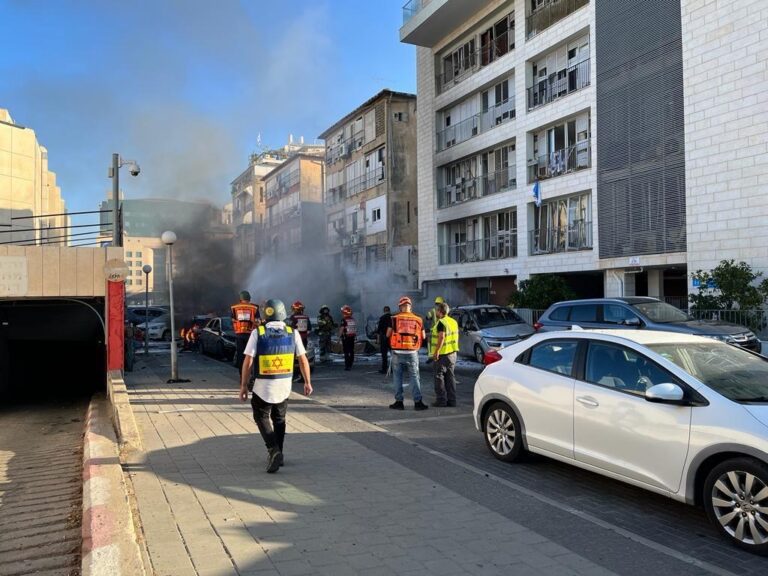
Magen David Adom teams are dispatched to the scene of a rocket strike in Kfar Aviv in the Shfela region. A woman was killed in the incident as a result of a direct hit. The teams operate under constant sirens.
Isolation of the area around Gaza
The IDF declares the isolation of the area around Gaza due to fear of anti-tank fire. Magen David Adom teams are required to move along routes defined as safe and link up with IDF forces at pre-coordinated points. At this stage, no official information regarding terrorist infiltration into Israel has been provided to Magen David Adom.
Magen David Adom transitions from routine to emergency
Senior Magen David Adom officials arrive at the National Operations Center and hold a situation assessment with the CEO. The Magen David Adom CEO instructs that night crews remain at stations and dispatch centers, alongside morning crews, and that the ambulance fleet and rescue vehicles be fully staffed. Within minutes, a widespread mobilization of Magen David Adom employees and volunteers begins, and the organization transitions to full emergency mode. The ability to staff a fleet of over 2,000 ambulances within minutes relies heavily on dedicated human capital, 90% of whom are volunteers, on an organizational culture of readiness, and on continuous training.
Dozens of impact sites within minutes
At the National Dispatch Center, 24 rocket impact events in built-up areas have already been counted, 17 of them in Ashkelon.
First report of suspected terrorist infiltration
The Magen David Adom dispatch center receives a report from one of the managers, residing in Yad Mordechai, about heavy small arms fire heard in the kibbutz area and the possibility of terrorist infiltration via motorized paragliders.
Magen David Adom representative sent to Home Front Command war room
A Magen David Adom representative is sent to the Home Front Command war room, as part of the ongoing cooperation between the bodies in routine and emergency situations.
Report of shooting near Nir Am
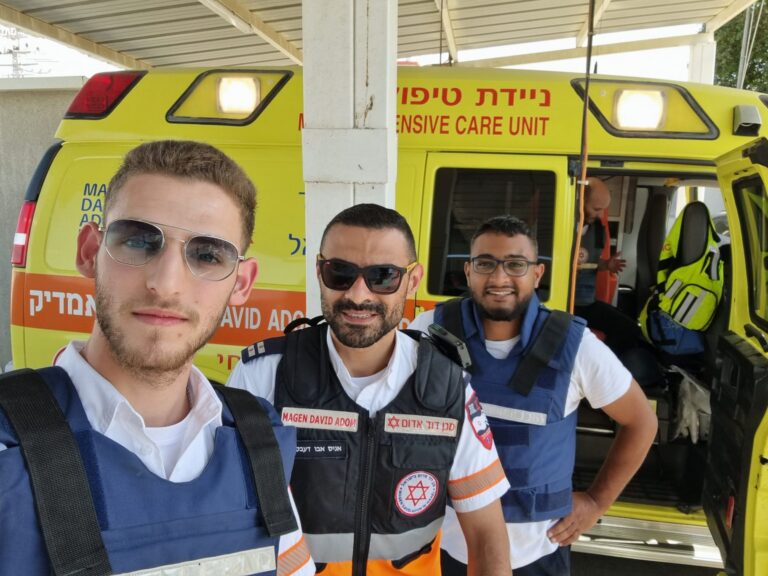
The Magen David Adom dispatch center receives a report of a shooting incident near Kibbutz Nir Am, without further details. An ambulance crew activated as part of the increased alert for the holiday, including Magen David Adom volunteers Hananel Gerfi and Eliyassaf Bar Haim, is dispatched to the incident.
Magen David Adom crew shot by terrorists in Sderot
As they were leaving Sderot, the ambulance encountered two pickup trucks with Nukhba terrorists, who opened fire at it and continued driving into the city. Hananel Gerfi was seriously wounded, and Eliyassaf Bar Haim reported on the radio: "Terrorists in Sderot! They shot at us, we've been hit. Near the entrance junction, near the train station. I repeat, terrorists in Sderot!" This was the first reliable report received by Magen David Adom about terrorists infiltrating Israel.
Despite his severe injury, Hananel continued to drive for a few hundred more meters to get away from the terrorists. Then Eliyassaf took control of the wheel, moved his friend to the back of the ambulance, and continued driving. Hananel's condition was serious, and he needed urgent evacuation, but the terrorists were on the roads leading to the Magen David Adom station and out of the city. The shift officer at the Magen David Adom dispatch center, Tal Polovitz, coordinated by phone with Magen David Adom paramedic Aviv Shneor and instructed Eliyassaf to go to his home in Sderot. Aviv treated Hananel in his living room, with the help of his wife Bat-El, while their young daughters were in the safe room and the shooting continued in the city streets. Hananel needed an operating room. After some time, Magen David Adom volunteer Elaor Twil, along with paramedics from the Sderot station, who were evacuating a seriously injured person in a bulletproof ambulance, under fire and risking their lives, arrived to evacuate Hananel. He later recovered and returned to volunteer with Magen David Adom.
Bulletproof ambulances transferred to the South
In light of the severe events and the fact that Magen David Adom teams are required to operate under fire, the Magen David Adom CEO instructs the transfer of bulletproof ambulances from Judea and Samaria to the Gaza Envelope. The decision is made with heavy consideration, given the fear of events expanding to Judea and Samaria as well, but the knowledge that terrorists infiltrated Israeli territory tips the scales. During the morning hours, convoys of ambulances and Mobile Intensive Care Units are also sent south to reinforce forces and evacuate casualties.
Preparation for a multi-scene event and coordination with the Gaza Division
Although no reports of unusual events have yet been received in the Northern and Judea and Samaria sectors, the Magen David Adom CEO instructs to maintain high alert in these sectors as well to ensure a response if further events develop. Simultaneously, Magen David Adom's Lachish dispatch center clarifies with the medical operations room in the Gaza Division the status of the military response in the Gaza Envelope sector and provides updates on complex and significant incidents with casualties on Routes 232 and 34.
Early coordination with southern hospitals
Magen David Adom updates Soroka Medical Center on the evacuation of gunshot and rocket casualties. During the first hour, contact is maintained with southern hospitals as part of the preparation to receive a large number of casualties.
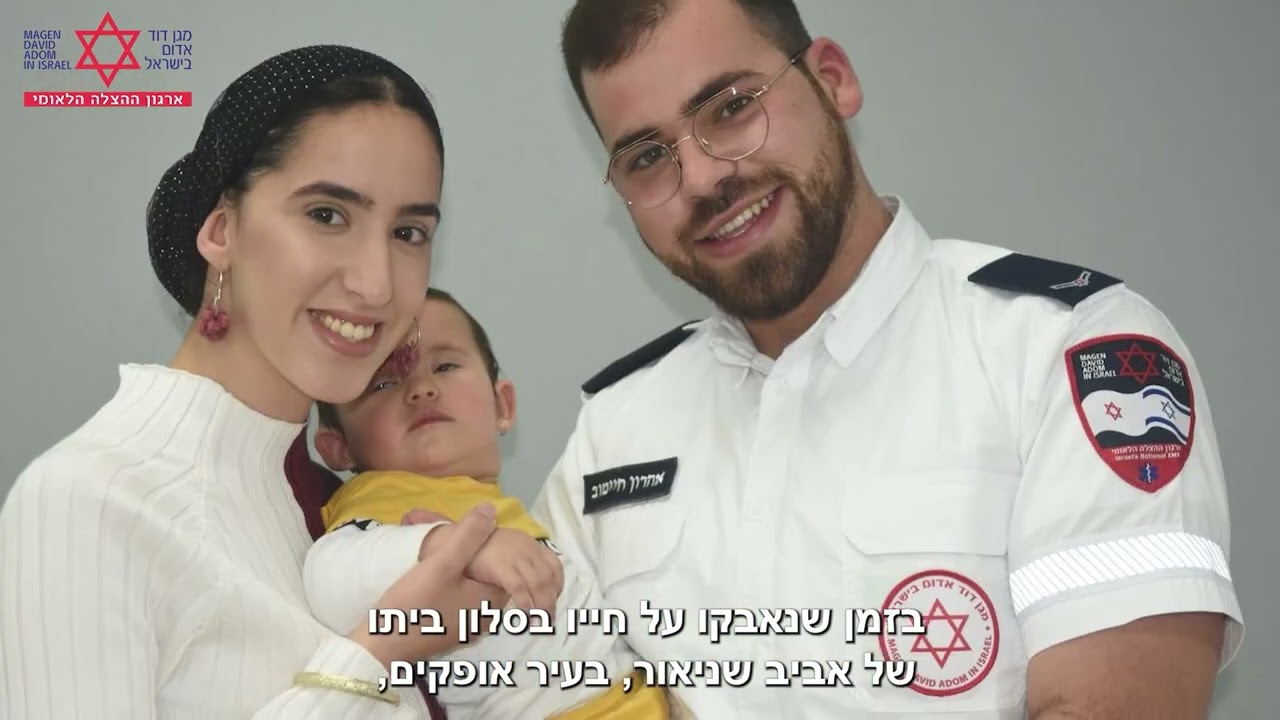
Magen David Adom member, Aharon Haimov of blessed memory, murdered in a Magen David Adom ambulance
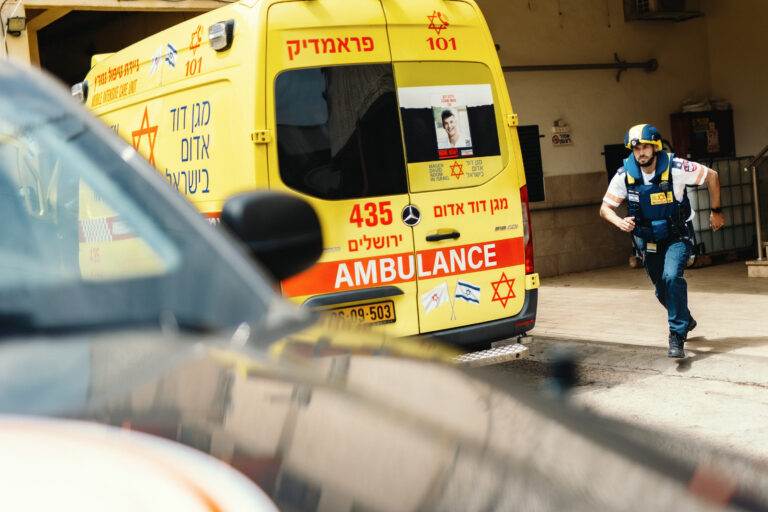
A Magen David Adom ambulance from Ofakim, dispatched to a shooting incident at the Urim Junction, encountered terrorists. The terrorists opened fire at the ambulance and murdered Senior Medic Aharon Haimov of blessed memory. This was the first time since the attack on the Hadassah convoy in April 1948 that a Magen David Adom crew member was murdered inside an ambulance while on duty. At this stage, Magen David Adom personnel still did not know what had happened to him.
Another Magen David Adom crew attacked at Urim Junction
Just minutes after Aharon Haimov's murder, and without Magen David Adom personnel yet knowing his fate, a Mobile Intensive Care Unit from Ofakim, also dispatched to the incident, was ambushed by terrorists at the Urim Junction. The ambulance driver, Emergency Medical Medic Peter Lesnik, was wounded by gunfire in his leg. The paramedic, Danny Shtarkman, reported to the dispatch center: "Vehicle with armed men on the way to Ofakim!"
First evacuation from treatment sites
Due to blocked roads and the presence of terrorists within cities, Magen David Adom teams set up initial treatment points on main roads and at Magen David Adom stations. At 07:26, the first documented evacuation took place. Throughout the morning, additional points were opened, and their deployment varied according to the security situation, road closures, and security forces' instructions. The teams received casualties, triaged them, provided medical treatment, and evacuated them to hospitals.
Magen David Adom provides the Gaza Division with a situation report on dozens of casualties
Magen David Adom's Lachish dispatch center compiles reports received from the field and updates the Gaza Division's medical war room on approximately 50 casualties on Route 232 in the Mefalsim area.
Blood Services prepare to increase the national blood supply
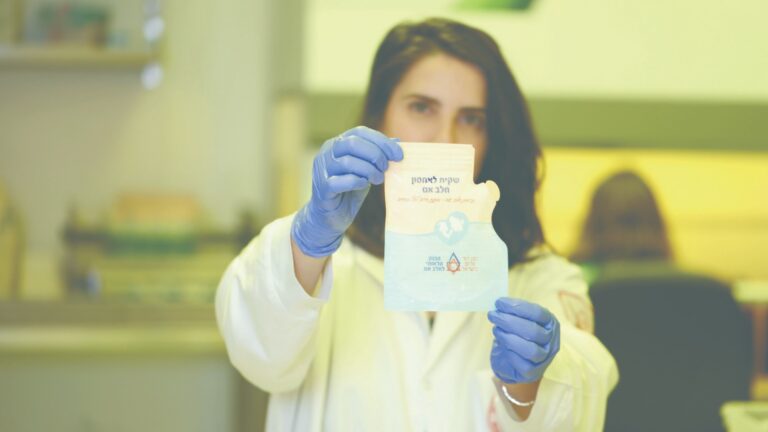
In view of the situation and the expectation of a large number of casualties, the Magen David Adom CEO and the Deputy Director-General of Blood Services agree to launch a national blood donation campaign. In coordination and with the approval of the Ministry of Health, donation sites prepare to operate in an adapted emergency format, while maintaining professional requirements and prioritizing the most needed blood types.
Magen David Adom forces prepare on the outskirts of combat zones
In coordination with the Medical Officer of the Gaza Division, Magen David Adom prepares to concentrate medical forces on the outskirts of combat zones, so that they are ready to enter and treat casualties immediately upon the forces taking control of the outposts and communities.
Bulletproof ambulances arrive in the Gaza Envelope
The bulletproof ambulances transferred from Judea and Samaria begin to arrive in the Gaza Envelope and integrate into treatment and evacuation missions under fire. Their arrival continues throughout the morning hours, and they operate under fire to save lives.
More than 1,000 ambulances staffed across the country
Within a few hours of the decision to transition to emergency, more than 1,000 ambulances and Mobile Intensive Care Units are staffed across the country. Approximately 300 of them operate in the Gaza Envelope area, alongside continued medical response to routine events and rocket fire across the country.
Blood donation sites open across the country
Less than two hours after the decision to launch the donation campaign, blood donation sites begin operating across the country. The Israeli public arrives in droves to donate blood, despite the ongoing rocket fire, and Magen David Adom's Blood Services work to increase the national blood supply and ensure its provision to hospitals.
Another situation assessment by Magen David Adom management
Magen David Adom management conducts an operational situation assessment, examining the current situation, force deployment, activity of treatment sites, and continued medical response in the various sectors. Senior officials are sent to the field and control centers to closely manage operational activities.
Magen David Adom's aerial evacuation system expanded
After the mobilization of flight and medical crews, helicopter equipment, refueling, and completion of necessary preparations, an additional Magen David Adom reserve helicopter becomes available for missions. Magen David Adom helicopters operate throughout the day under fire and in coordination with security forces and the healthcare system, evacuating casualties from the South to hospitals and assisting in patient regulation between hospitals.
Activity under fire in Gaza Envelope communities and on roads
Magen David Adom teams continue to treat and evacuate casualties from Sderot, Ofakim, the Gaza Envelope communities, the roads, and treatment sites. Magen David Adom employees and volunteers living within the attacked communities provide medical treatment to residents and relay information to Magen David Adom dispatch centers. Magen David Adom ambulance teams and Mobile Intensive Care Units operate in combat zones and on main routes at real risk to their lives.
Operation of bulletproof ambulances
Magen David Adom's bulletproof ambulances operate in the Gaza Envelope area under fire, responding to dozens of calls and evacuating dozens of wounded from Sderot, Ofakim, and other scenes. Their operation allows teams to continue treating and evacuating casualties even on threatened routes and areas.
Maintaining medical response throughout Israel and activating the reserve reinforcement unit
Alongside the operational effort in the South, Magen David Adom continues to provide a response to rocket fire incidents and emergency and routine events throughout the country. Simultaneously, reserves and readiness are maintained for a possible development of additional fronts in the North and in Judea and Samaria.
Magen David Adom activates the organization's reserve unit, YATAM, and recruits hundreds of paramedics and medics. Unit members arrive at Magen David Adom stations across the country, reinforcing emergency dispatch centers and manning additional ambulances and Mobile Intensive Care Units, as part of expanding the operational response and preparing for the continuation of the war.
Magen David Adom dispatch centers manage thousands of calls
Approximately 24,000 calls are received at Magen David Adom dispatch centers on October 7, five times more than a regular Saturday. Dispatch center teams reinforce shifts, dispatch crews, centralize the situation picture, and maintain continuous contact with security forces and hospitals while receiving emergency calls. The teams provide telephone instructions to callers and are exposed to terror directly through the line. For example, Emergency Medical Medic Linoy Elazra, at the dispatch center, instructed the children of the Idan family to hide in a closet.
Evacuation of the fallen and paying last respects
Saving lives and evacuating the wounded remained the top priority. After the wounded were evacuated from the scenes, and wherever operational conditions allowed, Magen David Adom logistics teams assisted in evacuating the fallen from the streets and treatment sites. The fallen were respectfully gathered at Magen David Adom stations in Sderot, Ofakim, and Netivot, and Magen David Adom personnel assisted in paying last respects to the murdered.
Preparing for the continuation of the war
Already on the first night of the terrorist attack, as the picture regarding the scope of events began to clarify slightly, all Magen David Adom teams were deployed nationwide and on full alert for the continuation of the challenges. The organization carefully reviewed the intensive operational activity, which continued into the morning hours of Sunday, October 8, including preparations for continued treatment of casualties, among them IDF forces still fighting in some of the Gaza Envelope communities where fighting against terrorists continued. Concurrently, the organization provided immediate response to casualties in the home front from missile and rocket fire.
During the unbearable hours, as the State of Israel began to learn of the incomprehensible number of murdered and killed, including Senior Medic Aharon Haimov of blessed memory, six additional Magen David Adom crew members were still defined as out of contact: Paramedic Amit Man and Senior Medic Aviya Hatzroni, both from Kibbutz Be'eri; Medics Ronen Tommy Engel and Dolev Yehud from Kibbutz Nir Oz; Medic Michel Nisenbaum from Sderot; and Medic Lior Rudayeff from Kibbutz Nir Yitzhak. In the days that followed, the terrible news would become clear: all were murdered in the October 7 events. The bodies of Michel, Ronen, and Lior were held by Hamas for a long period afterward. Dolev Yehud was located in the kibbutz area only in June 2024.
Amidst the cloud of uncertainty, despite the heavy grief and out of national responsibility to maintain continuity of emergency medical response, several processes took place concurrently on October 8. Coordination and cooperation with the IDF continued throughout the night, and in the morning hours, the national blood donation campaign continued in protected locations, prioritizing those with needed blood types. In view of the growing needs of hospitals, which received many wounded, the campaign that began in the early morning hours of October 7 continued. The public responded to Magen David Adom's call, and thousands came to donate blood, despite the incessant missile attacks. On that day, approximately 4,000 units of blood were donated, and the campaign continued to increase the national blood supply and ensure its continued provision to the IDF and hospitals during wartime.
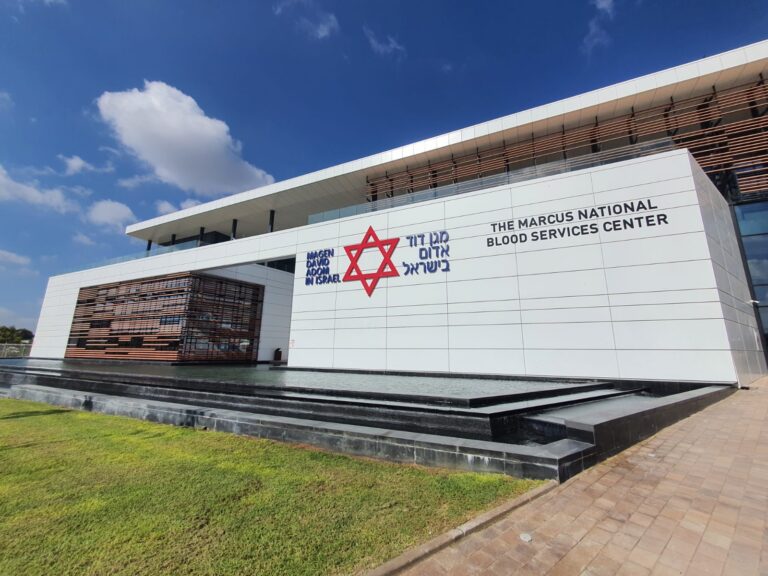
The collection of more than 4,000 units of blood per day also continued on Sunday, October 8, and Monday, October 9. All blood units were transferred to the new National Blood Bank, a structure protected from missile and other attacks, to maintain the national blood supply, which was built entirely from donations initiated by Magen David Adom. The new blood bank began operating on October 9 and allows blood units to be processed and stored in a protected manner without interruption.
Concurrently with the response to events in the Gaza Envelope and the South, emergency mobilization orders were sent in the early morning hours to hundreds of soldiers of Magen David Adom's reserve unit, ITAM. According to the mobilization plan, reserve paramedics and medics arrive directly at Magen David Adom stations across the country, reinforce emergency dispatch centers, staff additional ambulances and Mobile Intensive Care Units, and prepare in reinforcement convoys. As part of the preparation and transition to emergency routine, Magen David Adom and ITAM teams are stationed at alternative protected dispatch points in threatened areas near the Lebanese border.
The threat from the northern border and the possibility of opening another front lead to preparations in the community healthcare system as well. Starting in the afternoon hours of October 8, a request is received from the Ministry of Health to assist in the national mission of transferring ventilated patients from the northern border, from the Hula Valley area, and from institutions in central Israel that lack adequate protection, to areas designated by the Ministry as safe. Magen David Adom teams are dispatched to carry out the mission using ambulances, special intensive care buses, and other vehicles designed for evacuating multiple patients simultaneously.
The Magen David Adom CEO instructs the organization to prepare for a prolonged war. Among the prominent instructions: to stock up on supplies sufficient for three months of fighting, to purchase additional protective equipment, and to immediately work to expedite the arrival of ambulances in Israel. At ambulance manufacturing plants in the United States and Europe, ambulances intended for shipment to Israel as part of routine operations were found, and the CEO instructed them to be flown to Israel without delay. In the days that followed, special approval was received from the Ministry of Defense to allocate space for these ambulances on aid planes arriving in Israel. This move leads to a significant strengthening of the ambulance fleet in preparation for the expansion of the military campaign.
The organization's preparation also takes place outside Israel's borders. Magen David Adom's international unit of volunteer doctors and paramedics prepares for action. Dozens of doctors and paramedics from the United States, Canada, France, and other countries arrive in Israel and join Magen David Adom employees and volunteers in ambulances and Mobile Intensive Care Units on the front lines. This preparation was made possible thanks to cooperation, training, and joint exercises that have taken place for many years.


Our Heroes
The men and women of Magen David Adom murdered on a life-saving mission
We will always carry their dedication, courage, and mission to save lives with us.
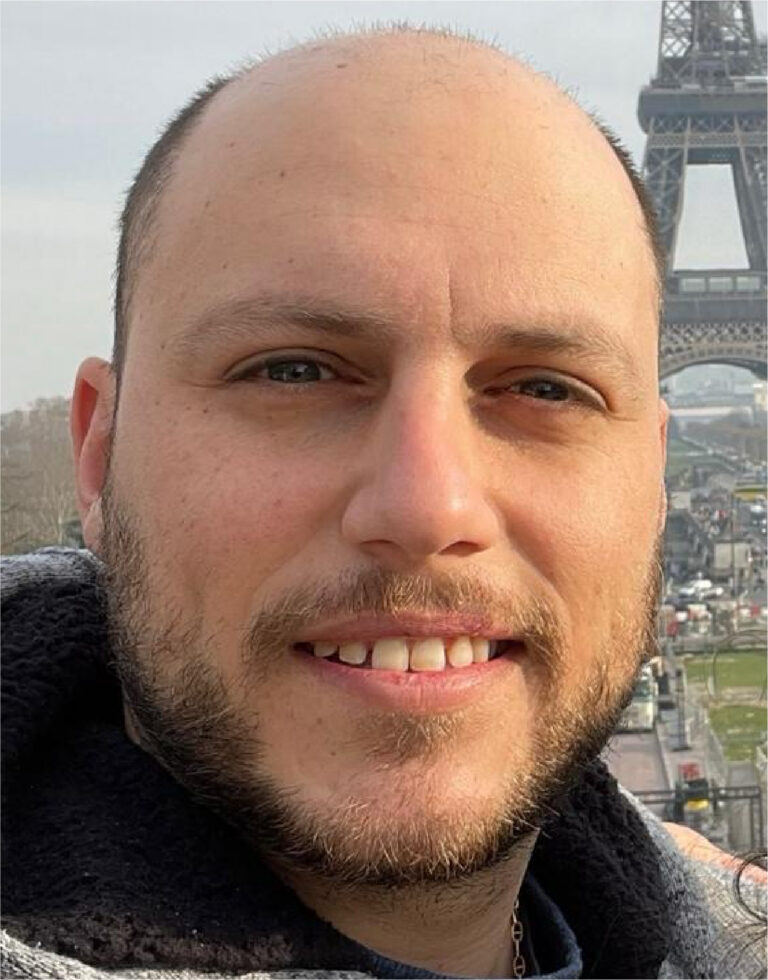



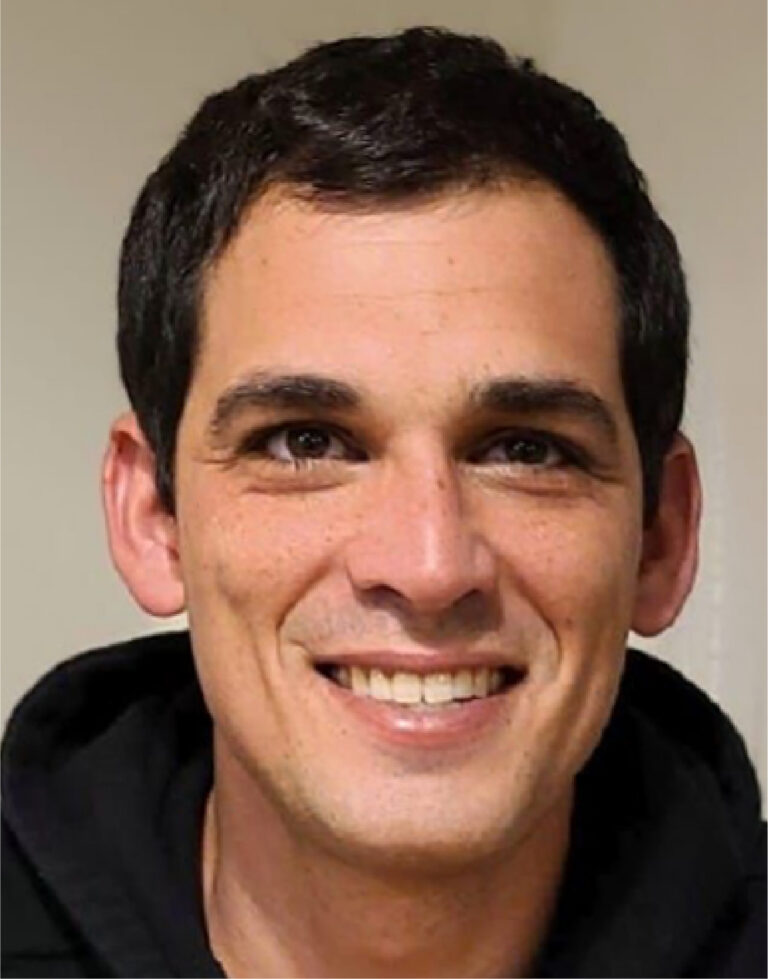
The men and women of Magen David Adom who fell defending the homeland
We will never forget the legacy of the Magen David Adom heroes who fell defending their homeland
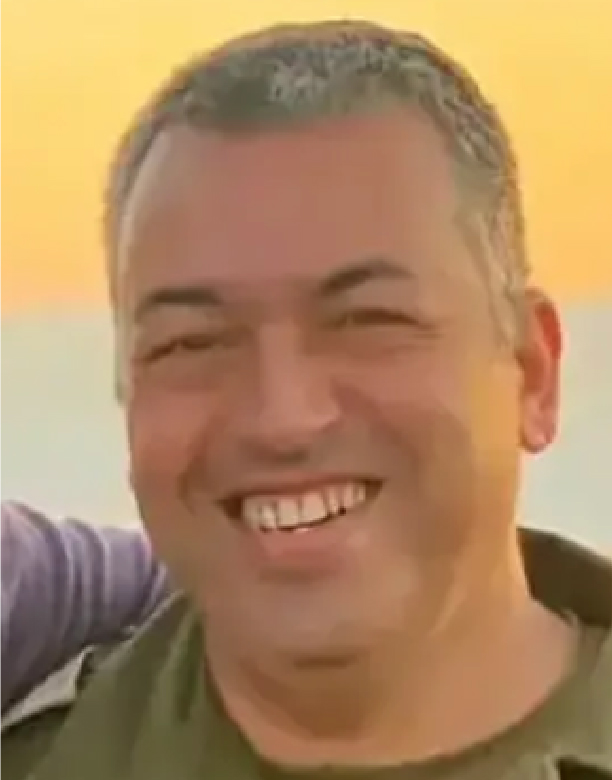
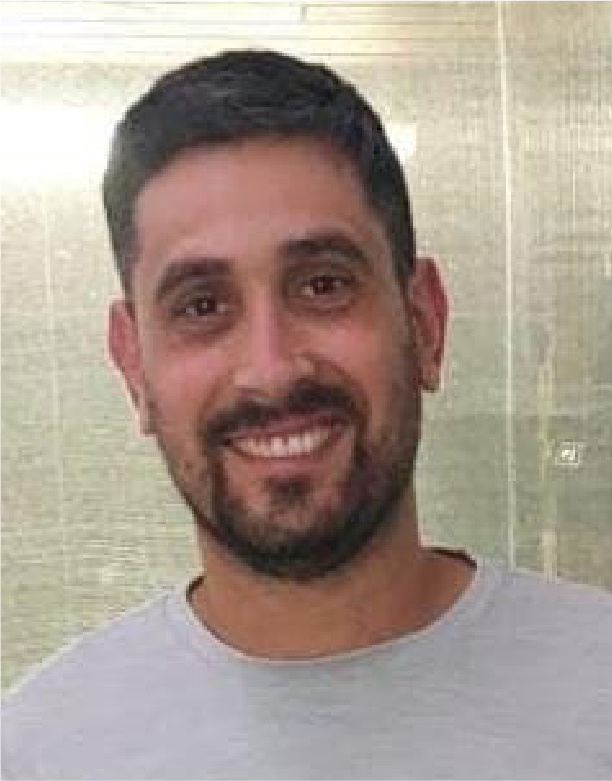

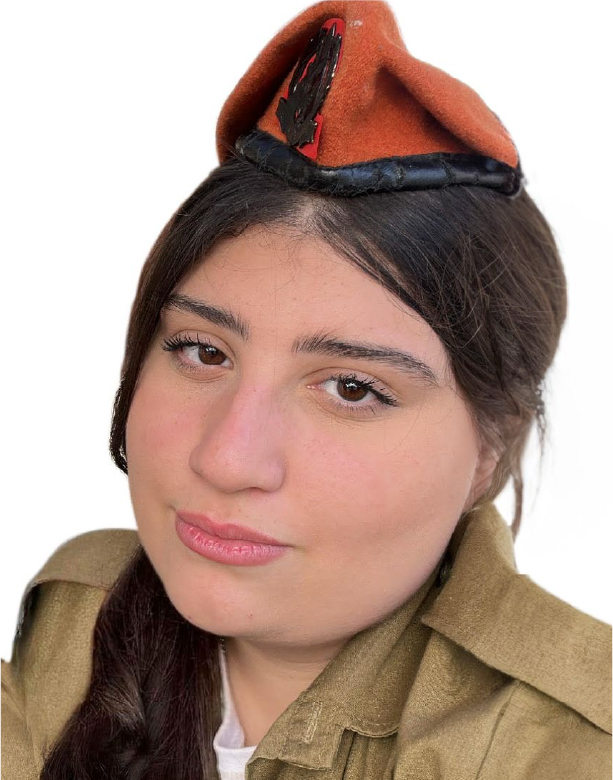



Articles about Magen David Adom stories on October 7